
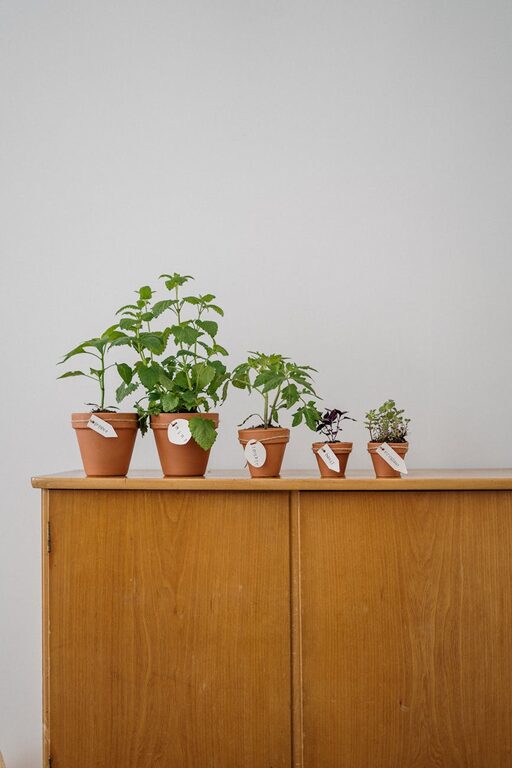
Starting a small herb garden indoors is a rewarding way to bring fresh flavors into your kitchen while adding a touch of greenery to your home. Whether you have a spacious sunlit window or just a cozy corner, growing herbs indoors can be simple and enjoyable. This guide walks you through everything you need to know to get started with your own indoor herb garden.
Why Grow Herbs Indoors?
Growing herbs indoors offers several benefits:
– Freshness: Harvest herbs right before cooking for the best flavor and aroma.
– Year-Round Growth: Avoid seasonal limitations by providing a controlled environment.
– Convenience: Have commonly used herbs just steps away in your kitchen.
– Decoration: Add natural beauty and a pleasant scent to your living space.
– Cost-Effective: Save money by growing your own instead of buying fresh herbs frequently.
Choosing the Right Herbs for Indoor Gardening
When selecting herbs for your indoor garden, consider those that thrive in pots and inside the home environment. Here are some popular and beginner-friendly choices:
– Basil: Great for Italian dishes; prefers bright light.
– Parsley: Versatile and rich in vitamins; tolerates moderate light.
– Mint: Easy to grow but can be invasive—keep in a separate pot.
– Chives: Mild onion flavor; grows well with moderate light.
– Thyme: Hardy and fragrant; likes bright light.
– Oregano: A staple for many cuisines; prefers plenty of light.
– Cilantro: Fast-growing but short-lived; prefers cooler spots.
What You’ll Need to Start
Before you plant your herbs, gather these essentials:
- **Containers:** Small pots or containers with drainage holes to avoid waterlogging.
- **Potting Mix:** A light, well-draining potting soil suitable for herbs.
- **Seeds or Starter Plants:** Seeds are economical; starter plants offer a quicker harvest.
- **Watering Can:** For gentle watering without washing soil away.
- **Light Source:** A bright windowsill or supplemental grow lights.
- **Fertilizer:** Organic liquid fertilizer or slow-release pellets, optional but helpful.
- **Labels:** To keep track of different herbs.
Preparing Your Indoor Herb Garden
Step 1: Select the Location
Most herbs need about 6-8 hours of sunlight a day. A south-facing window is ideal. If natural light is limited, consider using LED grow lights to provide sufficient light for healthy growth.
Step 2: Choose the Containers
Pick pots that are just the right size—not too large to encourage overwatering but enough space for roots to grow. Ensure drainage holes are present to prevent root rot.
Step 3: Prepare the Soil
Use a quality potting mix designed for indoor plants. Avoid garden soil, which may be too dense or contain pests. Mixing in some perlite or sand can improve drainage.
Step 4: Plant Your Herbs
If using seeds:
– Plant seeds according to depth instructions on the packet.
– Keep soil moist but not soggy until seeds germinate.
If using starter plants:
– Gently loosen roots and place them in the container.
– Fill around roots with soil and water lightly.
Caring for Your Indoor Herb Garden
Watering
Herbs generally prefer slightly moist soil but not waterlogged. Check the top inch of soil: if dry, it’s time to water. Water until it drains from the bottom and empty excess water from saucers.
Lighting
Rotate pots every few days to encourage even growth. If using grow lights, keep them about 6-12 inches above the plants for 12-16 hours daily.
Temperature and Humidity
Most herbs thrive at room temperatures between 65-75°F (18-24°C). Avoid placing plants near drafts or heating vents. Moderate indoor humidity is ideal; mist occasionally if air is very dry.
Fertilizing
Feed herbs with a diluted liquid fertilizer every 3-4 weeks during the growing season. Avoid over-fertilizing, as it can reduce flavor intensity.
Pruning and Harvesting
Regular trimming encourages bushier growth. Use clean scissors to snip herbs just above a leaf node. Harvest leaves as needed, but don’t remove more than one-third of the plant at a time.
Troubleshooting Common Issues
– Yellow Leaves: Often caused by overwatering or poor drainage.
– Leggy Growth: Insufficient light; consider supplemental lighting.
– Pests: Indoor herbs can attract aphids or spider mites; wipe leaves with a damp cloth or use natural insecticidal soap.
– Slow Growth: May indicate poor soil quality or temperature stress.
Tips for Success
– Start with easy herbs before trying more challenging varieties.
– Keep a small notebook to track watering and growth.
– Consider companion planting—some herbs grow well together and can benefit each other.
– Experiment with containers, such as hanging pots or vertical gardens, to save space.
– Enjoy the process and don’t worry about occasional failures; gardening is a learning experience!
Final Thoughts
An indoor herb garden is a delightful way to bring cooking and nature closer together. With just a bit of care and attention, you can enjoy fresh, aromatic herbs year-round. Whether a seasoned gardener or a beginner, growing herbs indoors is a satisfying, hands-on way to connect with the food you eat and enhance your living space.
Ready to start? Pick your favorite herbs, grab some pots, and watch your indoor garden flourish! Happy gardening!