
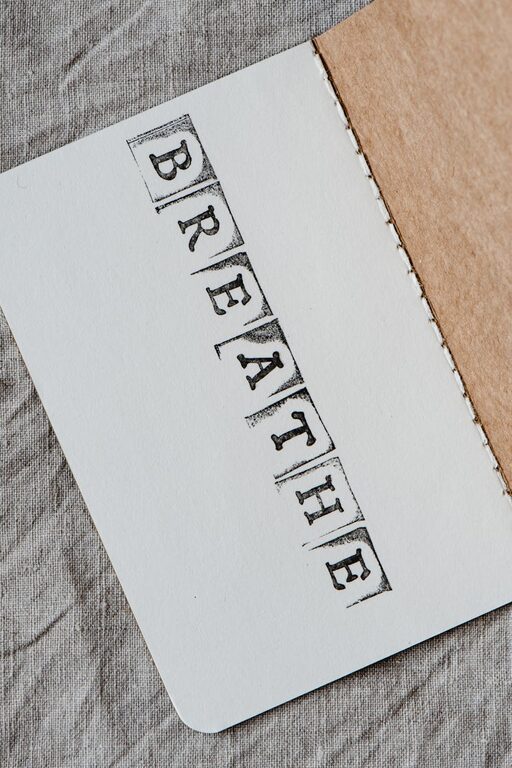
Mindful breathing is a simple and powerful way to calm your mind, reduce stress, and improve focus. Taking short breathing breaks throughout your day can help you feel more grounded and refreshed, no matter how busy your schedule is. If you’re new to mindful breathing, this post offers practical tips to get started easily and enjoy the benefits.
What Is Mindful Breathing?
Mindful breathing means paying attention to your breath, observing each inhale and exhale without trying to change it. This focus brings your awareness to the present moment, helping to clear distracting thoughts and promote relaxation.
You don’t need any special equipment or experience—just a few minutes and your breath.
Why Take Mindful Breathing Breaks?
– Reduces stress: Focusing on breath slows your heart rate and lower blood pressure.
– Improves focus: Breathing breaks refresh your attention and reduce mental fatigue.
– Enhances emotions: Mindfulness helps manage emotions and encourages a positive mindset.
– Easy to do: You can practice anywhere — at your desk, in a park, or before sleep.
How to Get Started with Mindful Breathing
Find a Comfortable Position
Sit or lie down in a comfortable spot where you won’t be disturbed. You can sit upright on a chair with feet flat on the floor or cross-legged on a cushion.
Close Your Eyes or Soften Your Gaze
Closing your eyes can help reduce distractions. If that’s uncomfortable, simply soften your gaze by looking downward or straight ahead without focusing.
Focus on Your Breath
Bring your attention to the natural rhythm of your breathing. Notice the sensation of air entering your nostrils or the rise and fall of your chest or abdomen.
Keep It Simple
Don’t try to control your breath. Just observe each inhale and exhale as it happens. If your mind wanders, gently bring your focus back to the breath without judgment.
Beginner Tips for Mindful Breathing Breaks
Start Small
Aim for short sessions, such as 2 to 5 minutes. Even brief breaks can have a positive effect and make it easier to build a habit.
Use a Timer
Set a gentle timer or reminder on your phone so you don’t have to watch the clock. Choose a calming tone to signal the start and end.
Try Counting Your Breath
Counting can help maintain focus. For example, count silently “one” on your inhale, “two” on your exhale, up to five, then start again.
Breathe with a Simple Pattern
Some find it helpful to slightly lengthen the exhale to trigger relaxation. Try inhaling for 4 seconds, exhaling for 6 seconds. Adjust timing to what feels comfortable.
Incorporate Gentle Movement
If sitting still is hard, try mindful breathing while gently stretching or walking slowly.
Use Guided Breathing Exercises
Apps and videos offer guided sessions that walk you through mindful breaths. These can be helpful when starting out.
When to Take Mindful Breathing Breaks
– During work: Take a moment between tasks or meetings to reset.
– In moments of stress: Pause to calm nerves before responding.
– Before sleep: A few mindful breaths can prepare your body for rest.
– After exercise: To gently lower heart rate and relax.
– Anytime feeling overwhelmed: Use breathing to regain clarity.
Additional Tips for Success
– Be patient: Like any new skill, mindful breathing takes practice.
– Make it a routine: Link breathing breaks to daily activities like after lunch or before starting work.
– Stay positive: Avoid judging yourself if your mind wanders.
– Stay consistent: Frequent short breaks are more helpful than rare long sessions.
– Create a peaceful space: If possible, practice in a quiet, comfortable environment.
Example Beginner Breathing Break Routine
- Sit comfortably with feet flat on the floor.
- Close your eyes and focus on your breath.
- Inhale slowly through your nose, counting: 1-2-3-4.
- Exhale through your mouth, counting: 1-2-3-4-5-6.
- Repeat for 3 to 5 minutes.
- Gently open your eyes and notice how you feel.
Final Thoughts
Mindful breathing breaks are a simple, accessible way to nurture calm and clarity in daily life. Starting with just a few minutes a day can make a noticeable difference. With practice, mindful breathing can become a valuable tool to help you manage stress and improve your overall well-being.
Remember, the key is consistency and kindness toward yourself as you develop this new habit. Happy breathing!