
Bullet journaling has become a popular and flexible way to organize tasks, track habits, and capture ideas. If you’re new to the concept, this beginner guide will introduce you to the essentials of bullet journaling and help you create a system that works for you.
What Is Bullet Journaling?
Bullet journaling, often called BuJo, is a customizable method of journaling that combines planning, to-do lists, goal setting, and reflection in one notebook. It was created by Ryder Carroll, who designed it to be fast and adaptable. Unlike traditional planners, bullet journals can be adjusted to fit your personal style and needs.
Why Start a Bullet Journal?
Starting a bullet journal offers several benefits:
– Increased organization: Keep track of appointments, tasks, and notes in one place.
– Boosted productivity: Break down goals into daily or weekly tasks.
– Enhanced creativity: Use colors, doodles, and layouts to make planning enjoyable.
– Mindfulness and reflection: Journaling can help you monitor moods and habits.
What You’ll Need to Begin
One of the great things about bullet journaling is how simple it starts. Here’s what you need:
– A notebook: A dotted or grid notebook is popular, but any blank, lined, or squared notebook works.
– A pen or pencil: Choose what feels comfortable. Many use fineliners or gel pens.
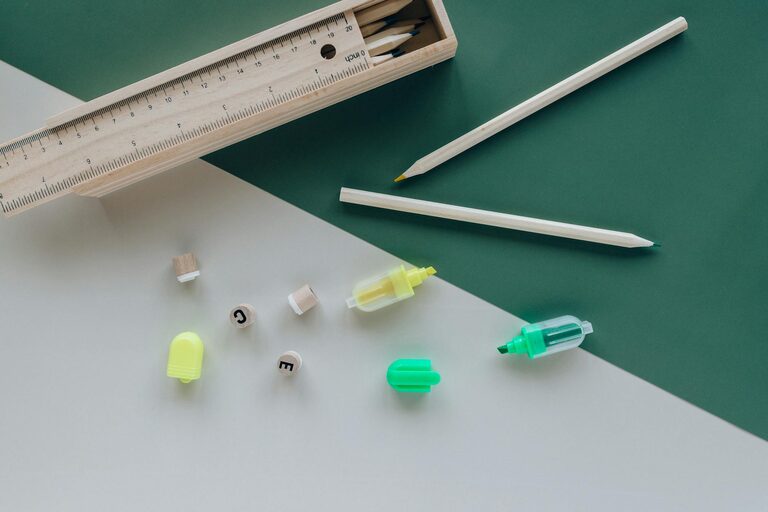
– Optional supplies: Colored markers, stickers, washi tape, rulers, or stamps can add flair, but aren’t necessary.
Basic Components of a Bullet Journal
To create a bullet journal that works for you, start with these core elements.
1. The Index
The index is like a table of contents. It helps you quickly find pages. Reserve the first two or three pages of your notebook for the index. As you fill your bullet journal, make note of page numbers and titles here.
2. The Future Log
A future log is a place to jot down important events and deadlines coming up in the next few months. This helps you keep track of long-term plans.
3. The Monthly Log
Each month, dedicate a spread that includes:
– A calendar overview or list of dates
– Space for monthly goals and tasks
This will help you plan your month at a glance.
4. The Daily Log
Daily logs are where you list your tasks, events, and notes for each day. Use simple bullet points or symbols to indicate task status:
– • (dot): Task
– ° (circle): Event
– – (dash): Note
5. Collections
Collections are dedicated pages for specific topics such as:
– Habit trackers
– Books to read
– Meal plans
– Project plans
Feel free to customize collections based on your needs.
How To Set Up Your First Bullet Journal
Let’s walk through a step-by-step setup:
Step 1: Number Your Pages
Start by numbering your pages. This will help you keep your index organized.
Step 2: Create the Index
Leave two pages at the front for your index. Update this as you add new sections.
Step 3: Future Log Setup
Divide two pages into equal sections for each upcoming month (usually 4–6 months). Write major events, appointments, or deadlines.
Step 4: Monthly Log
Draw a calendar or list the days vertically. Add your tasks and goals for the month.
Step 5: Daily Logs
Start your daily entries with the date. List your to-dos, events, and notes. Use symbols to track task progress such as:
– Task completed (X)
– Task migrated (>)
– Task canceled (–)
Step 6: Add Collections
Create any collections you want to track — habit trackers, mood logs, or ideas for future projects.
Tips for Maintaining Your Bullet Journal
– Keep it simple at first — focus on the basics to prevent overwhelm.
– Review and migrate unfinished tasks regularly.
– Use colors or symbols consistently to improve readability.
– Customize your layouts as you learn what works best.
– Make it enjoyable by adding doodles or stickers if you like.
– Set aside a few minutes each day to update your journal.
Bullet Journal Layout Ideas for Beginners
Here are some easy-to-try layouts to get started:
– Simple daily task list: Date at the top, followed by bullet points.
– Weekly spread: Columns for each day with space for tasks and events.
– Habit tracker: Grid to mark off completed habits daily.
– Gratitude log: Space to write one or two things you’re thankful for each day.
– Brain dump page: A place to jot down all your thoughts and ideas.
Final Thoughts
Bullet journaling is a versatile tool that can help you stay organized while allowing space for creativity and mindful reflection. Don’t worry about perfection — your bullet journal is a personal system meant to work for you. Starting with the basic structure and building from there can make the process enjoyable and rewarding.
Happy journaling!